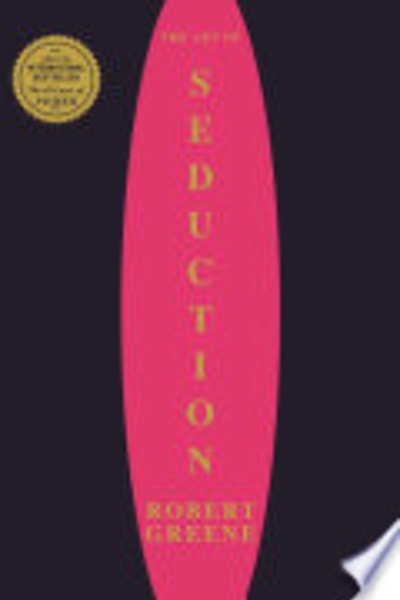
The Art of Seduction — Book Summary & Review
Last updated:
The Art of Seduction Summary
In The Art of Seduction, Robert Greene organizes the book around two big moves: types of seducers and “twenty-four maneuvers,” which he treats like a menu rather than a morality play. Greene’s core argument is that attraction is engineered through timing, narrative, and controlled access—power expressed as psychological leverage. He repeatedly frames seduction as a social technology: people don’t surrender because of raw desire; they surrender because the seducer manages meaning, scarcity, and fear of loss. One of the clearest places to see this is the section on the “Rake,” where Greene uses Casanova as a pattern for how charm, risk, and performance can keep a target oscillating between hope and distance. Later, the “Ideal Lover” chapter makes the point even more bluntly: the seducer doesn’t need to “be perfect” so much as to become the target’s projection screen, feeding fantasies while avoiding the boring proof that would collapse the spell. Greene’s maneuver list is where the book earns its reputation—ideas like creating an appearance of inevitability, using “disguise” to shape interpretation, and turning refusal into fuel. Still, Greene’s approach is deliberately amoral and often reads like a taxonomy of manipulation. If you want romance, consent-forward guidance, or ethics-first relationship advice, Greene offers analysis, not a safety manual. Greene also doesn’t do much to translate his historical case studies into modern dating norms; you’ll be left doing your own application work, especially if you’re expecting step-by-step scripts rather than strategic principles. I finished it thinking, “Useful for understanding how people get pulled,” and also, “I wouldn’t hand this to someone who’s trying to be better, not just more effective.”
Key Takeaways from The Art of Seduction
-
1
Types of Seducers: Greene maps distinct behavioral patterns—Rake, Ideal Lover, Charmer—each with a different psychological route to control.
-
2
Twenty-Four Maneuvers: The list works like tactics for managing perception, including timing, selective disclosure, and reshaping a target’s interpretation.
-
3
The Ideal Lover: Greene’s point is projection over proof; the seducer sustains fantasy by controlling emotional evidence.
-
4
The Rake: Greene treats charm as choreography—risk and distance keep desire unstable so the target stays engaged.
-
5
Amoral Game Logic: Greene insists seduction is power-play analysis, not relationship therapy, so moral comfort is not the product.
Who Should Read This
If you’re stuck wondering why certain people seem to “pull” others effortlessly in dating or workplace flirtation, Greene gives you a framework to diagnose it. Someone who enjoys historical case studies and psychological strategy will likely get the most out of Greene’s maneuver-based chapters.
Who Shouldn't Read This
If you want consent-first, ethically grounded relationship advice with modern examples, Greene’s amoral framing will feel like a bait-and-switch. If you dislike cold taxonomy and prefer practical skills training, Greene’s historical breadth and maneuver list may frustrate you.
Editor's Verdict
The single best thing this book does is make seduction feel structured: the pairing of “types of seducers” with the twenty-four maneuvers gives you a usable mental model, especially in the Rake and Ideal Lover sections. The real limitation is that Greene refuses to supply ethical guardrails or modern application, so the tactics can read like permission rather than caution. This hits hardest for anyone who’s just started noticing patterns in their own attraction and wants a vocabulary for manipulation dynamics.
Ready to read The Art of Seduction?
Get your copy on Amazon today.
The Art of Seduction — Frequently Asked Questions
About Robert Greene
Robert Greene is an American author and former journalist who writes about strategy, power, and human behavior. He is credible on seduction and interpersonal influence because his work draws on historical case studies and cross-cultural research rather than personal anecdotes. His notable books include The 48 Laws of Power and The Laws of Human Nature.