Silence — Book Summary & Review
by Shusaku Endo
Last updated:
Silence Summary
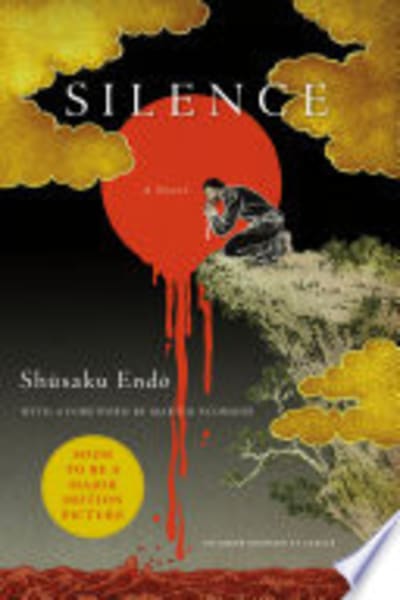
Silence opens with a gripping narrative of a young Portuguese missionary named Rodrigues, smuggled into 17th Century Japan amid a backdrop of religious persecution. Endo captures the chilling quiet of the land with a haunting section titled 'The Village of Tomogi', where Rodrigues first encounters the secretive lives of Japanese Christians. The narrative weaves a tense atmosphere as Rodrigues grapples with the silence of God, a theme that permeates the novel and challenges the protagonist's faith. Endo's use of letters as a narrative device adds a personal dimension, offering a window into Rodrigues' internal conflict and the harsh realities of missionary work. However, the novel’s philosophical depth and slow pacing may frustrate readers seeking a more action-driven historical fiction. Endo presents a nuanced exploration of faith under duress, but the book doesn't offer the neat resolutions some readers might expect, leaving them to ponder the silence long after the final page.
Key Takeaways from Silence
-
1
The Village of Tomogi: Highlights the secretive lifestyle of Japanese Christians under persecution and the pervasive fear they lived with.
-
2
Silence of God: Rodrigues' struggle with the absence of divine communication during his trials, questioning the nature of faith.
-
3
Kichijiro's Betrayal: A recurring theme showcasing human frailty and the challenges of forgiveness within the Christian doctrine.
-
4
Letters from Rodrigues: Provides insight into the personal turmoil and evolving perspectives of the protagonist throughout his mission.
-
5
Edo's Inquisition: Depicts the brutal methods used by Japanese authorities to suppress Christianity and test the resolve of foreign missionaries.
Who Should Read This
Someone who is wrestling with their faith and seeking a narrative that explores the complexities of belief in adversity. If you're interested in historical narratives that delve into the intersection of culture and religion, this book offers a contemplative experience.
Who Shouldn't Read This
If you’re looking for a fast-paced historical adventure with clear resolutions, this isn't the book for you. Readers who prefer straightforward narratives over philosophical musings may find the reflective nature of Endo's writing less engaging.
Editor's Verdict
Endo's best achievement is the way he intricately portrays faith's endurance in 'The Village of Tomogi'. The philosophical depth can be overwhelming without the action-driven elements some readers prefer. Anyone questioning their spiritual beliefs amid cultural pressures will find this book resonates deeply during such moments of introspection.
Ready to read Silence?
Get your copy on Amazon today.
Silence — Frequently Asked Questions
About Shusaku Endo
Shusaku Endo (1923-1996) was a Japanese author known for exploring themes of faith and cultural conflict. He was born in Tokyo and baptized as a Catholic at age 11, providing him with a unique perspective on Christianity in Japan, which is central to his novel "Silence." Endo studied French literature at the University of Lyon, enhancing his literary credentials. Other notable works include "The Sea and Poison" and "Deep River," both of which delve into moral and existential questions.