Midnight in Chernobyl — Book Summary & Review
Last updated:
Midnight in Chernobyl Summary
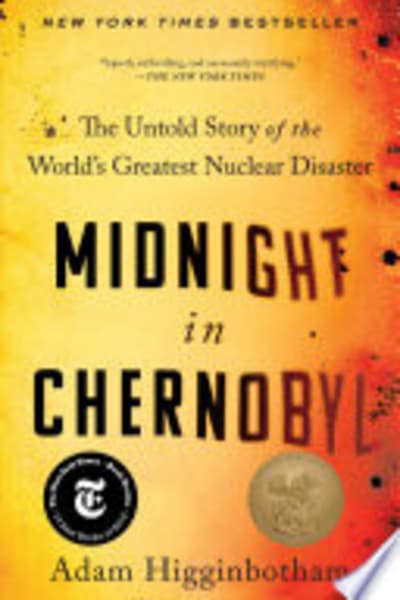
Higginbotham's 'Midnight in Chernobyl' begins with a detailed exploration of the Soviet Union's bureaucratic blunders that set the stage for the disaster. The book is structured around detailed interviews and recently declassified documents, with chapters such as 'The Soviet Prometheus' illustrating the regime's overconfidence in its nuclear prowess. Higginbotham excels at weaving personal narratives into the technical chaos, like that of engineer Anatoly Dyatlov, offering readers a visceral understanding of the human cost. However, the book does not delve deeply into the post-disaster recovery efforts and the long-term environmental impact, which might frustrate those looking for a comprehensive environmental analysis. Higginbotham's narrative is gripping, but its dense detail may not suit readers seeking a lighter overview of the events.
Key Takeaways from Midnight in Chernobyl
-
1
The Soviet Prometheus: A chapter that dissects the hubris of Soviet nuclear ambitions, setting the stage for inevitable disaster.
-
2
The Red Tape Machine: Higginbotham explains how bureaucracy and secrecy exacerbated the Chernobyl crisis and clouded the truth.
-
3
Personal Narratives: The book humanizes the disaster through stories of workers like Anatoly Dyatlov, providing a personal lens to the tragedy.
-
4
The Myth of Control: Higginbotham argues that the Soviet belief in absolute control over technology led to catastrophic failures.
-
5
Hidden Archives: The use of declassified documents reveals new layers of misinformation and cover-ups previously unknown to the public.
Who Should Read This
Someone who thrives on intricate, well-researched historical accounts and craves a deep dive into the human stories behind technological disasters. If you're grappling with understanding the complex interplay of politics and science in history, this will satisfy your curiosity.
Who Shouldn't Read This
If you're looking for an in-depth environmental analysis or a focus on the recovery and aftermath of the Chernobyl disaster, this isn't the book for you. The dense technical and political details may also overwhelm readers seeking a simple overview of the event.
Editor's Verdict
Higginbotham's deep dive into the Soviet bureaucratic failings, particularly in 'The Red Tape Machine', is a standout. However, the lack of focus on post-disaster recovery efforts leaves a gap for those interested in long-term effects. Anyone fascinated by the intersection of human error and technological ambition will find this book particularly absorbing.
Ready to read Midnight in Chernobyl?
Get your copy on Amazon today.
Midnight in Chernobyl — Frequently Asked Questions
About Adam Higginbotham
Adam Higginbotham is a British journalist and author known for his expertise in investigative reporting. He gained credibility on the topic of Chernobyl through extensive research and interviews, culminating in his acclaimed book "Midnight in Chernobyl," which provides a detailed account of the 1986 nuclear disaster. Higginbotham's work has appeared in esteemed publications such as The New Yorker and The New York Times Magazine. Another notable work includes "A Thousand Pounds of Dynamite," a gripping narrative about a casino bombing plot.