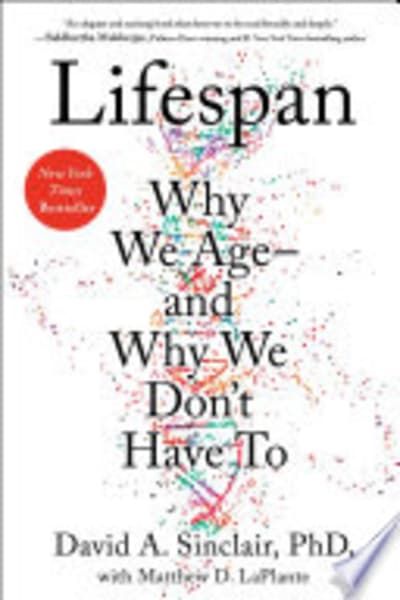
Lifespan — Book Summary & Review
Last updated:
Lifespan Summary
Sinclair’s Lifespan lays out the idea of “vitality genes” and argues they can be activated to slow down or even reverse aspects of aging. He treats aging as a disease and leans hard on genetic reprogramming as a route to feeling younger and becoming biologically younger. A standout chapter, “The Information Theory of Aging,” explains how genetic instruction might be rewritten to extend life. Along the way, Sinclair draws on work from his own Harvard lab, using that evidence to push lifestyle moves such as intermittent fasting and cold exposure. The problem is that readers chasing concrete, short-term results may feel yanked around: a lot of the science is still early, and Sinclair’s emphasis on what could be possible later rather than what can be done immediately leaves impatient skeptics underfed.
Key Takeaways from Lifespan
-
1
Vitality Genes: Sinclair explains these are genes that can be activated to slow aging and extend lifespan.
-
2
The Information Theory of Aging: Suggests aging is due to genetic 'information loss' and can potentially be reversed.
-
3
Sirtuins: Proteins that play a key role in cellular health and longevity, which can be activated by certain lifestyle habits.
-
4
NAD+ Molecule: Critical for energy production and DNA repair, its levels decline with age but can be replenished.
-
5
Hormesis: Describes the beneficial effects of mild stress on the body, like from exercise or cold exposure, to enhance longevity.
Who Should Read This
If you're someone grappling with the fear of aging and want to explore scientific ways to extend your lifespan, this book is for you. Someone who is curious about cutting-edge research in genetics and doesn't mind a bit of science jargon will find it rewarding.
Who Shouldn't Read This
If you're looking for a step-by-step guide to anti-aging with immediate results, this book will disappoint. Those who prefer light reading without scientific details may find Sinclair's detailed explanations overwhelming.
Editor's Verdict
The most compelling part of Lifespan is its exploration of the 'Information Theory of Aging,' which challenges traditional views on aging. The book's biggest limitation is its heavy reliance on scientific explanation, which may not appeal to everyone. This is ideal for anyone feeling anxious about aging and eager to explore cutting-edge scientific research on longevity.
Ready to read Lifespan?
Get your copy on Amazon today.
Lifespan — Frequently Asked Questions
About David Sinclair
David Sinclair is a renowned biologist and professor of genetics at Harvard Medical School, specializing in aging and longevity research. He is best known for his work on the role of sirtuins and resveratrol in the aging process. Sinclair's credibility stems from his extensive research and numerous publications in the field of aging. Besides "Lifespan: Why We Age—and Why We Don't Have To," he co-authored "The Information Theory of Aging" and has contributed to over 170 scientific papers.