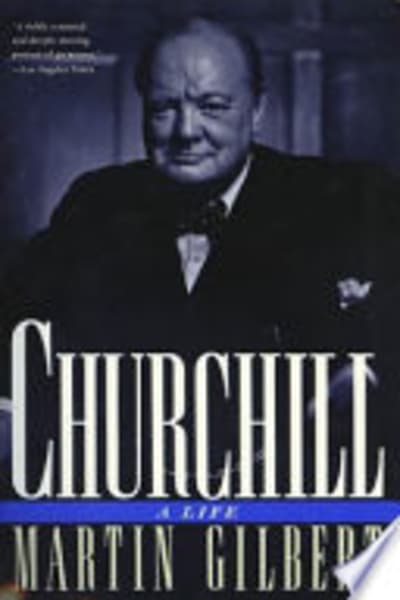
Churchill: A Life — Book Summary & Review
Last updated:
Churchill: A Life Summary
Gilbert organizes 'Churchill: A Life' into a detailed chronological narrative, beginning with a vivid portrayal of Churchill's early years, including his time at Harrow School, which sets the tone for understanding his complex character. Gilbert uses an impressive array of primary sources, including Churchill’s own writings, to paint an intimate portrait of this towering figure. The chapter 'The Wilderness Years' offers a riveting account of Churchill's struggles and resilience during his political isolation in the 1930s. While Gilbert excels in providing exhaustive detail, the book does not offer much in terms of analyzing Churchill's psychological motivations or personal relationships beyond what is documented in historical records. Readers seeking a deep psychological exploration may find this factual approach somewhat limiting.
Key Takeaways from Churchill: A Life
-
1
The Wilderness Years: Churchill faced significant political isolation in the 1930s, showcasing his resilience and vision for future challenges.
-
2
Harrow School Years: Early experiences at Harrow shaped Churchill's leadership qualities and fostered his love for the English language.
-
3
Churchill's Correspondence: Gilbert utilizes Churchill's letters with his wife Clementine to reveal his emotional side and personal struggles.
-
4
Gallipoli Campaign: The detailed account examines Churchill's controversial decision-making and its long-term impact on his career.
-
5
Speechcraft: An analysis of Churchill's rhetoric during World War II highlights his ability to inspire a nation in crisis.
Who Should Read This
Someone who craves a meticulous, fact-based account of Churchill's life and political career, rich with historical context. If you are preparing for a deep dive into 20th-century British politics, this book is a solid foundation.
Who Shouldn't Read This
If you seek a biography with a strong focus on psychological analysis or intimate personal anecdotes, you may find this lacking. Gilbert's focus on historical documentation over personal storytelling might disappoint those looking for an emotionally engaging narrative.
Editor's Verdict
Gilbert excels in using Churchill's own writings to provide a rich, factual narrative of his life. However, the book's focus on exhaustive historical detail over personal insight might feel dry for some. This is ideal for historians or political enthusiasts seeking a thorough understanding of Churchill's public life, especially when preparing for a comprehensive historical study.
Ready to read Churchill: A Life?
Get your copy on Amazon today.
Churchill: A Life — Frequently Asked Questions
About Martin Gilbert
Martin Gilbert was a British historian and author, born on October 25, 1936, in London. He was a leading authority on Winston Churchill, serving as the official biographer after Randolph Churchill's death. Gilbert's credibility stems from his extensive research and access to Churchill's archives. Notable works include "The Holocaust: A History of the Jews of Europe During the Second World War" and "The First World War: A Complete History." He was knighted in 1995 for his contributions to British history.