Alexander the Great — Book Summary & Review
Last updated:
Alexander the Great Summary
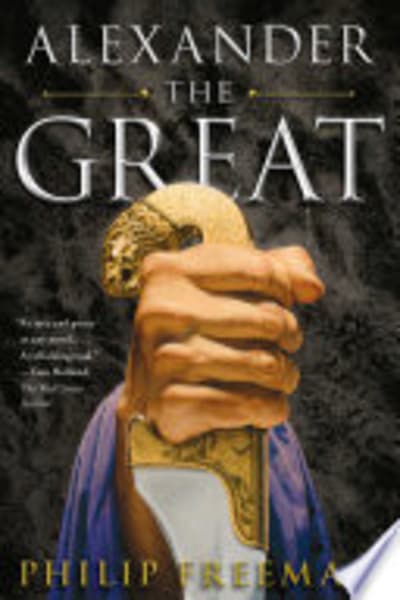
Freeman opens 'Alexander the Great' with a striking exploration of Alexander's early years, emphasizing the influence of his mother, Olympias, and the mythos surrounding his divine lineage. Freeman meticulously traces Alexander's life, from his tutelage under Aristotle to his unprecedented military campaigns across Asia. The chapter titled 'The Gordian Knot' vividly illustrates Alexander's bold approach to problem-solving, showcasing his penchant for direct action and symbolic victories. Freeman's narrative is rich with anecdotes and detailed accounts, breathing new life into well-trodden historical ground. However, those seeking a thorough analysis of Alexander's psychological motivations or a critique of his legacy may find the book lacking in depth in these areas, as Freeman focuses more on the narrative of events than on interpretive analysis.
Key Takeaways from Alexander the Great
-
1
The Gordian Knot: Freeman uses this event to illustrate Alexander's preference for decisive, unorthodox solutions.
-
2
The Role of Olympias: Alexander's mother was a powerful influence, fueling his ambition and belief in his divine destiny.
-
3
Aristotle's Influence: The philosopher's teachings shaped Alexander's strategies and philosophical outlook, though he often defied Aristotelian logic.
-
4
The Siege of Tyre: Demonstrates Alexander's strategic brilliance and relentless determination in overcoming formidable defenses.
-
5
The Phalanx Formation: Freeman highlights this military tactic as a key to Alexander's battlefield successes, emphasizing its innovation.
Who Should Read This
Someone who wants a dynamic narrative of Alexander's conquests and is intrigued by his military tactics and leadership style. If you're searching for a historical biography that reads like an epic tale, this is your book.
Who Shouldn't Read This
If you're expecting an in-depth psychological analysis of Alexander or a critical examination of his empire's lasting impact, this book won't satisfy you. Those looking for a scholarly, footnote-heavy text may find Freeman's approach too narrative-driven.
Editor's Verdict
Freeman excels in bringing ancient battles to life, particularly in the chapter 'The Siege of Tyre', which captures the drama and stakes vividly. The book's limitation is its lack of critical analysis on Alexander's character and legacy, which might leave some readers wanting more depth. This book is perfect for history enthusiasts looking to be swept into the grandeur of ancient conquests, especially when you're in the mood for a story that reads like an adventure novel.
Ready to read Alexander the Great?
Get your copy on Amazon today.
Alexander the Great — Frequently Asked Questions
About Philip Freeman
Philip Freeman is a classical scholar and author known for his expertise in ancient history. He holds a Ph.D. in Classics and Celtic Studies from Harvard University, enhancing his credibility in writing about historical figures like Alexander the Great. Freeman has authored several notable works, including "Julius Caesar" and "The Philosopher and the Druids." His academic background and extensive research contribute to his authoritative voice on ancient historical topics.