A People’s History of the United States — Book Summary & Review
by Howard Zinn
Last updated:
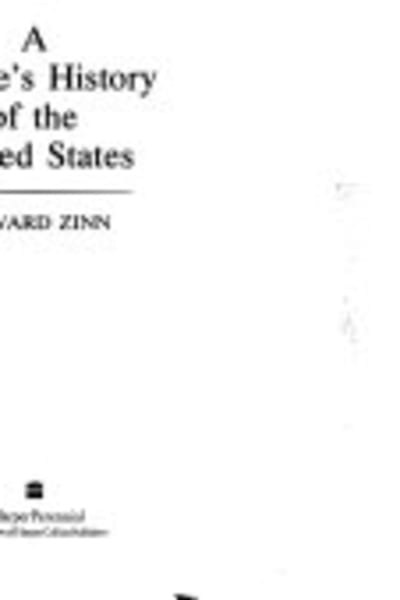
A People’s History of the United States Summary
Zinn's 'A People's History of the United States' offers a refreshing look at American history through the lens of marginalized groups. In the chapter 'The Intimately Oppressed', Zinn focuses on the experiences and struggles of women throughout American history, bringing to light the voices often overshadowed in traditional narratives. This work seeks to flip the typical history book on its head, digging into the perspectives of Native Americans, African Americans, and immigrant laborers, leading to a comprehensive, albeit unsettling, portrayal of the nation's past. Zinn’s critical approach and detailed research challenge the glorified depiction of American history found in many textbooks. However, those looking for a balanced view may find Zinn's emphasis on oppression and struggle somewhat one-sided, as it primarily highlights negative aspects without equally considering positive developments or achievements.
Key Takeaways from A People’s History of the United States
-
1
The Intimately Oppressed: Delves into how women have played crucial roles in resisting systemic patriarchy throughout U.S. history.
-
2
Columbus and the Indians: Reframes Columbus's arrival from the perspective of Native Americans, highlighting the violence and exploitation.
-
3
The Empire and the People: Examines the expansionist policies of the U.S. and their impact on both domestic and international levels.
-
4
Robber Barons and Rebels: Critiques the industrial era’s economic disparity and labor exploitation, focusing on the voices of the working class.
-
5
The Other Civil War: Focuses on class struggles in the 19th century, revealing conflicts between workers and the elite beyond the battlefield.
Who Should Read This
If you feel frustrated by traditional history books that gloss over systemic oppression, this will resonate. Someone who teaches or studies history and wants to incorporate more diverse perspectives will find it invaluable.
Who Shouldn't Read This
If you expect a balanced historical narrative that equally weighs positive achievements, you will be disappointed. Those who prefer strictly academic prose may find Zinn's engaging style too informal.
Editor's Verdict
The best thing about this book is its focus on marginalized voices, especially in chapters like 'The Intimately Oppressed'. However, Zinn's approach can feel one-sided, as it largely ignores the country's positive achievements. This book hits hardest for anyone revisiting their understanding of American history, especially if you're questioning the narratives you learned in school.
Ready to read A People’s History of the United States?
Get your copy on Amazon today.
A People’s History of the United States — Frequently Asked Questions
About Howard Zinn
Howard Zinn (1922–2010) was an American historian, playwright, and social activist. He earned a Ph.D. in history from Columbia University and taught at Spelman College and Boston University. Zinn is best known for his book "A People’s History of the United States," which presents American history from the perspective of marginalized groups. His credibility stems from his extensive academic background and activism. Other notable works include "You Can’t Be Neutral on a Moving Train" and "The Zinn Reader."